Does Ipe Need to Be Sealed? Complete Guide for Homeowners
Ipe is a dense tropical hardwood known for strength, natural oils, and long service life outdoors. Left alone, it weathers to a silver‑gray and still resists rot, insects, and wear. Sealing is not mandatory for structural performance, yet it offers clear benefits: richer color, slower moisture movement, easier cleaning, and fewer hairline checks. The right approach depends on your goals, climate, and traffic. This article explains when sealing makes sense, which products and methods work best, how to prepare the surface, and how to maintain results. Use it to protect your investment and enjoy a beautiful, safe deck all year.
When Sealing Ipe Makes Sense
Your decision comes down to appearance, exposure, and the maintenance time you can realistically invest.
Sealing Vs. Letting Ipe Weather
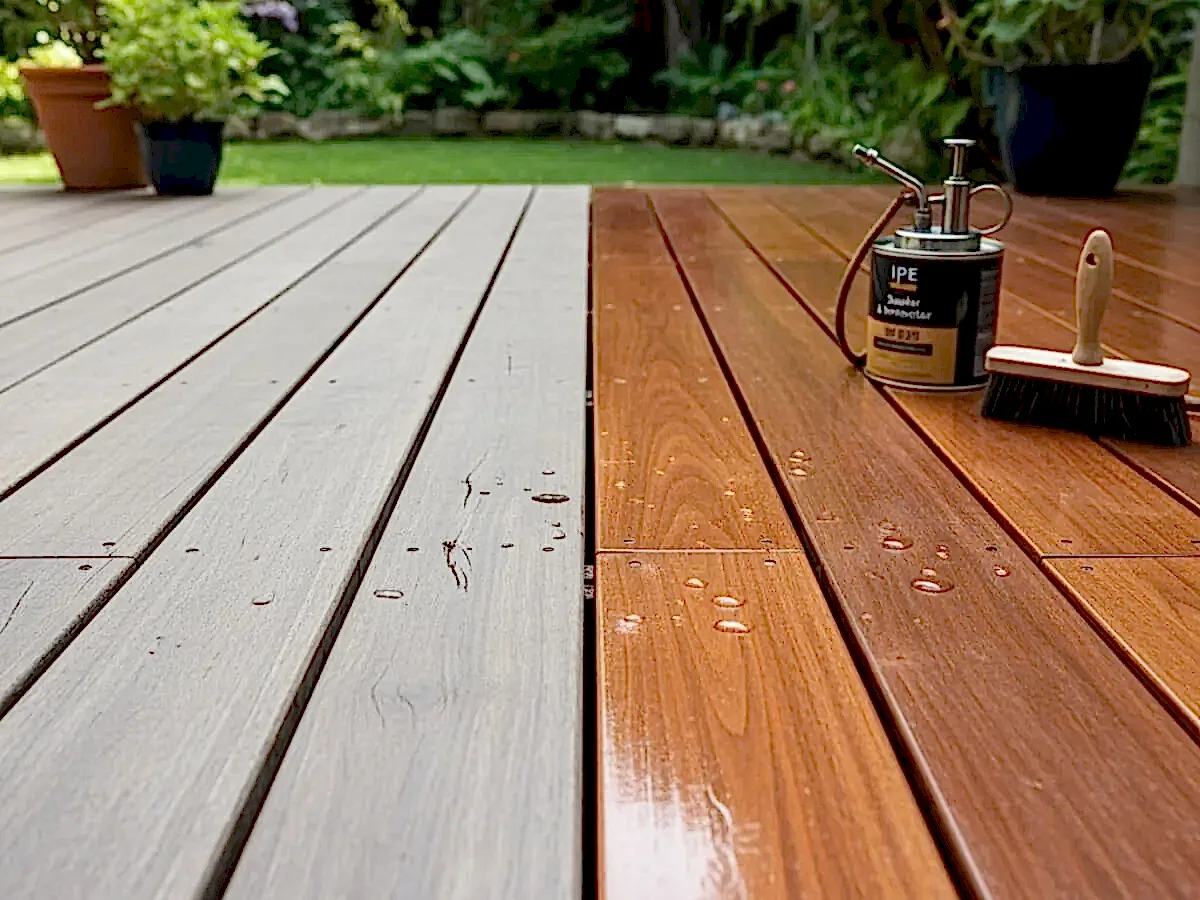
Ipe will last for decades without a finish, but it will turn gray in the sun and rain. Sealing with a penetrating hardwood oil does not trap moisture; it enriches color and slows movement that causes minor checks. Homeowners who prize deep brown tones or want easier cleaning often appreciate the result. Those who love a natural gray can skip it and simply wash the deck. The key is honest expectations: sealing is about appearance and comfort, not basic longevity. Decide by looking at your sun exposure, foot traffic, and willingness to refresh the finish when needed, each season as required.
What Kind Of Sealer Works
Film finishes like varnish or polyurethane sit on top and can peel on dense hardwood. Ipe responds best to thin, penetrating oils made for exterior hardwood decking. These products carry UV absorbers that slow color fade and repel water without forming a brittle shell. They should soak in, not build up. Plan on wiping excess after fifteen minutes so the surface cures, dries, and is clean. Avoid thick coats, glossy sheens, or anything described as a high-build finish. Penetrating oil keeps maintenance simple: when the color lightens, clean, brighten if needed, and apply a fresh, thin coat on a cool day.
When To Seal A New Deck
New ipe sometimes arrives with surface mill polish or jobsite dust that can block penetration. Allow the new deck to acclimate and dry after construction, then wash with a wood cleaner, rinse, and let it dry thoroughly. Light sanding with 80–100 grit opens pores without polishing the surface smooth. Test by sprinkling water; if it darkens and absorbs, you are ready. First-year schedules often work best with two light coats several months apart, depending on sun and rain. Avoid sealing in direct midday sun or right before heavy rain, and always wipe back any excess oil for a perfect dry cure.
Preparation: Surface and Weather
Evaluate Exposure And Wear
Note how much sun, shade, and foot traffic each area gets. Boards in full sun or near pools dry and fade faster, so they need more frequent attention. Shady areas stay damp longer, raising the risk of mildew. Plan prep and product choice around these micro-climates for best sealing success.
Clean Before Anything Else
Wash with a wood cleaner to lift grime, pollen, and oils, then rinse thoroughly. Avoid harsh pressure settings that fuzz the grain. A brightener can remove iron and tannin stains and even out the color. Let the deck dry fully before sanding or finishing, usually forty‑eight hours in warm, breezy conditions.
Smart Sanding Strategy
Use 80–100 grit to open pores without glazing. Sand with the grain and vacuum thoroughly. Over‑sanding to 150–180 grit can burnish ipe and reduce absorption. Spot-sand only where needed to remove marks or mill polish, and keep the overall surface consistent for even staining later and uniform oil penetration everywhere.
Weather Windows That Work
Choose a dry forecast with mild temperatures and low humidity. Early morning or late afternoon is best to avoid hot boards and flashing solvents. Ensure that dew will not fall on the fresh finish overnight. Provide shade if needed, and keep pets and people off until surfaces cure fully for lasting results.
Application and Maintenance
Thin Coats Win
Flood the surface lightly, let the oil soak, then wipe back all shine within fifteen minutes. Two thin coats, days or months apart, outperform one heavy coat. Thick films stay tacky, gather dust, and fail. A dry-to-touch surface resists footprints and cleans easily after normal use in busy family areas.
Mind The End Grain
Cut ends lose moisture fastest and can be checked. Seal fresh cuts and end grain with a compatible end-seal product to slow movement. Wipe away drips quickly. This small step protects board tips, keeps edges smooth, and preserves clean lines around stairs, borders, and rail posts in every seasonal cycle outdoors.
Avoid Common Pitfalls
Do not apply over a wet deck, glossy old finish, or visible dirt. Do not sand too fine or skip wiping excess. Avoid the hot sun and approaching rain. Ignore myths about heavy film coats; they crack. A gentle, breathable finish outlasts thick layers and stays maintainable through heat and storms.
Easy Upkeep Rhythm
Expect to refresh high-sun areas every six to twelve months and shaded areas roughly yearly. When the color lightens or water no longer beads, clean, brighten if needed, and add a thin coat. Spot-treat traffic lanes first, then blend across boards for a uniform appearance without heavy, whole-deck projects each time.
Mistakes That Shorten Ipe’s Life
- Aggressive pressure washing that lifts grain and leaves fuzzed fibers. High PSI scars hardwood and forces water deep into the end grain. Use gentle settings and cleaners to protect the surface.
- Skipping surface prep and sealing over dust, pollen, or mill polish. Blocked pores prevent absorption and leave blotches. Clean, brighten if needed, and sand lightly so the oil penetrates evenly.
- Thick, glossy films trap moisture and peel on dense hardwood. Once they fail, stripping is tedious. Use a penetrating oil that absorbs, cures dry, resists peeling, and allows periodic reapplication.
- Neglecting end grain on cuts and not sealing screw holes. Those openings drink water and check early. Seal them during installation to protect edges and keep board ends looking clean.
- Forgetting about maintenance until the boards look dry and pale. A light refresh is faster than a rescue job. Inspect seasonally, clean and recoat when beading fades or traffic lanes appear.
Why Choose Intercrus Decks
Intercrus Decks helps homeowners make smart, practical choices for ipe that fit real-world conditions. We evaluate sun, shade, drainage, and foot traffic, then prepare the surface so finishes penetrate evenly and cure clean. Our crews understand hardwood behavior, from end-grain control to the thin-coat techniques that keep boards looking rich without sticky residue.
If you prefer a natural silver patina, we’ll set up a cleaning and safety plan that preserves traction and prevents grime from embedding. If you want to keep the deep brown hue, we apply breathable, hardwood-specific oil, wipe back excess, and show you a simple maintenance rhythm. You get clear timelines, careful protection of landscaping and adjacent surfaces, and respectful communication from the first visit to the final walkthrough.
A well-finished ipe deck looks beautiful, stays comfortable underfoot, and lasts for decades. Let Intercrus Decks handle the prep, application, and follow-up so you can enjoy the space instead of working on it. Contact our deck builder to schedule an assessment and get a practical plan for sealing, refreshing, or reviving your ipe deck. We serve homeowners who value careful craft, safe job sites, and predictable results, and we stand behind our work with guidance you can use season after season.