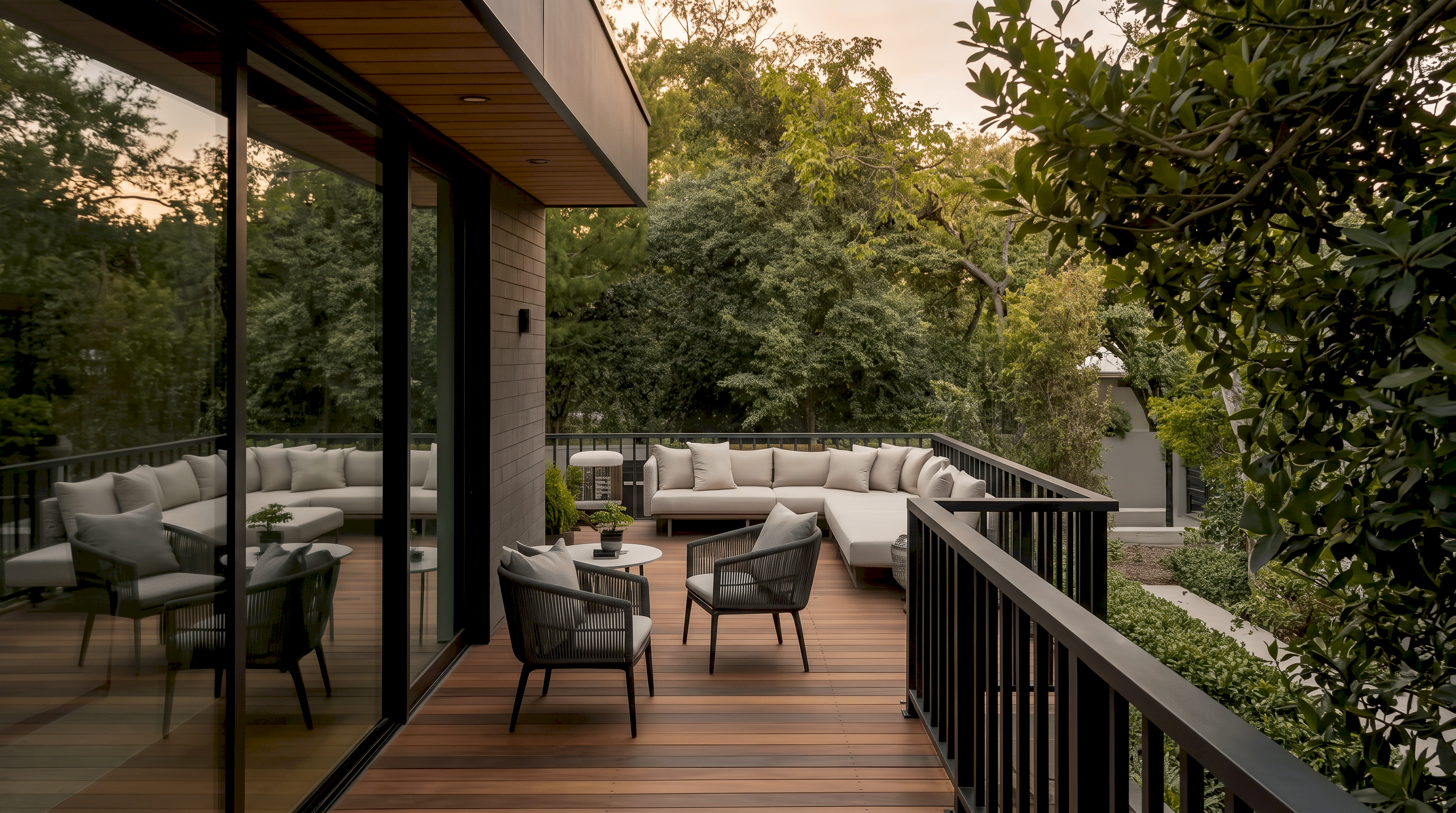
How to Boost Your Home’s Value with a Premium Deck
A premium deck can be much more than an outdoor platform—it becomes an extension of your home, a place where you enjoy fresh air and create memories. Carefully planned decking projects also deliver strong returns on investment by making a property more attractive to buyers. Recent cost‑versus‑value reports reveal that a typical deck addition can recoup around 44% of its cost upon resale, and experts note that average returns can climb as high as 72%. This combination of personal enjoyment and financial gain explains why homeowners throughout the USA are choosing premium decks as a smart upgrade. By choosing the right materials, designs, and builder, you can create an outdoor space that improves your life now and pays off later.
Why a Premium Deck Adds Value
Return on Investment and Resale Value
A major reason homeowners invest in a deck is the potential increase in resale value. Nationwide, a new deck provides a roughly 44% return on investment, meaning a project costing about $20,000 could add around $8,800 to a property’s value. Wood decks typically offer a higher percentage return because of their lower initial cost, achieving an average of 50.2% ROI compared to 39.8% for composites. However, composites often produce a greater dollar return due to their longer service life and lower upkeep; on average, a wood deck adds about $8,559 in value while a composite deck adds $9,325. Decks can provide an average ROI of approximately 72%, making them one of the most profitable outdoor improvements. These numbers show how a thoughtfully built deck is not simply an expense but an investment in your home’s equity.
Outdoor Living and Lifestyle Benefits
Return on investment is just part of the equation. Homeowners also gain day‑to‑day enjoyment from an attractive deck. According to many real estate professionals, new deck additions have a “Joy Score” of 9.8 out of 10, making them one of the most satisfying home improvements. Decks create versatile outdoor rooms for dining, lounging, or hosting family gatherings; they become an oasis for relaxation or a play area for children. Because the structure is elevated and attached to the house, it often benefits from better views and breezes than a ground‑level patio. With comfortable furniture, some shade, and perhaps a fire pit, a deck extends your usable living space for much of the year. The same reasons that make a deck enjoyable for you—additional space, fresh air, and a sense of retreat—are what make it attractive to potential buyers, enhancing marketability and value.
Curb Appeal and Buyer Appeal
A well‑designed deck transforms a plain backyard into a feature buyers will notice. It frames the house, adds architectural interest, and provides a purposeful transition between indoor and outdoor spaces. Professional deck builders can incorporate contrasting colors, picture framing, or multi‑level layouts to complement your home’s character. Elements such as built‑in benches, planters, and stylish railings create a polished look that photographs well in listings and leaves a lasting impression during viewings. In competitive markets, these design details set your property apart. When prospective buyers imagine themselves entertaining friends on a handsome deck, they are more inclined to see the house as a complete lifestyle package and value it accordingly.
Key Considerations for Deck Materials
Wood vs Composite ROI
Material selection has a significant impact on cost and resale value. Wood decks are cheaper to build and offer the largest percentage return—about 50.2%. Composite decks, though more expensive upfront, deliver a greater dollar return, adding roughly $9,325 in value compared with $8,559 for wood. Composites also resist rot and insect damage, reducing maintenance and preserving value over time.
Durability and Maintenance
Traditional lumber requires regular sealing or staining to protect it from moisture and ultraviolet light. Composite and PVC boards, by contrast, are engineered to resist fading, warping, and decay, so maintenance is generally limited to occasional cleaning. Homeowners who prefer minimal upkeep may find composites more appealing, whereas those who enjoy natural wood aesthetics may accept the ongoing care as part of ownership.
Climate Considerations
Where you live affects the kind of deck that makes sense. Warmer western regions enjoy year‑round use and show average ROIs around 42.82%, while colder Midwestern states average 37.4%. Coastal areas may benefit from composite materials because salt and moisture can be harsh on wood. Discuss climatic factors with a local expert to choose the material that performs best in Seattle’s weather.
Size and Proportion
The scale of your deck should suit your home and lot. Oversized, multi‑level decks may look overwhelming on a small house, while a tiny platform may underutilize a large yard. Professional guidance helps you strike the right balance—enough space for seating and circulation without dominating your garden.
Safety and Building Codes
Any deck must be structurally sound and meet local building codes. That means proper footings, railings, and load calculations to ensure safety. A licensed builder understands permit requirements and will design a deck that withstands weather, supports furniture and guests, and remains compliant with zoning laws. Cutting corners here can undermine both safety and resale value.
Design Features That Enhance Value
Seating and Dining Areas
Built‑in benches and planters add functionality and charm. Consider incorporating a dedicated dining area big enough for a table and chairs so you can comfortably host meals outdoors. Integrating seating into the deck structure saves space and provides a cohesive look.
Lighting and Ambience
Strategic lighting extends deck use into the evening and improves safety. Low‑voltage deck lights, stair lights, and accent fixtures create a warm glow and highlight architectural details. Decks can be more useful than just a platform if they are designed with care, using lighting and picture frames.
Coverings and Shade
Incorporate shade structures such as pergolas, awnings, or retractable canopies to make the deck comfortable during hot afternoons. A roofed portion allows you to enjoy the space during rain and increases year‑round usability, which buyers appreciate.
Landscaping Integration
Blend your deck with the surrounding landscaping. Use planters, trellises, or built‑in beds to soften edges and connect the structure to your garden. A well‑landscaped deck feels like a natural part of your property rather than an add‑on.
Future‑Proof Additions
Think about features that keep your deck relevant as lifestyles change. Space for a hot tub, an outdoor kitchen, or built‑in heating elements can set your home apart. Even if you don’t install these elements now, designing a deck that can accommodate them later will help future buyers envision their own upgrades.
Practical Tips to Maximize ROI
- Invest In Quality Materials: Choose durable boards, fasteners, and finishes that last. Skimping on materials to cut costs now can lead to expensive repairs later, diminishing your return.
- Work With A Professional Deck Builder: Experienced professionals ensure your deck is designed for structural integrity, code compliance, and aesthetic harmony. Quality craftsmanship prevents issues that could deter buyers or require costly fixes.
- Plan for Multi‑functional Use: Design the deck with distinct zones for dining, lounging, and cooking to appeal to a wide range of buyers. Multi‑use spaces feel larger and more versatile.
- Keep It Proportional: Scale your deck to your home and yard; an oversized deck can overwhelm a small house, while an undersized platform might not entice buyers. Proportional designs look balanced and intentional.
- Maintain Your Investment: Even low‑maintenance decks require basic care. Sweep debris, clean surfaces, and inspect railings regularly. For wood decks, re‑seal or stain as needed. Proper maintenance preserves appearance and value.
Invest in a Premium Deck for Maximum Value
A premium deck represents more than a pleasant outdoor spot; it’s a strategic investment in your home’s value and marketability. Experts’ figures show that homeowners typically recoup about 44% of their deck investment and sometimes much more. Beyond the numbers, a well‑built deck enhances daily living by providing a space for relaxation, entertaining, and family gatherings, and surveys indicate that homeowners derive immense joy from this upgrade. Buyers notice when a deck blends seamlessly with the house, offers practical features, and requires minimal upkeep. Choosing the right materials, proportions, and design features ensures that your deck remains attractive and functional for years to come.
At Intercrus Decks, we specialize in creating premium decks that boost both enjoyment and property value. Our team has extensive experience working with homeowners across Seattle to design and build decks that complement their homes, withstand local weather conditions, and enhance curb appeal. We guide you through every step—from selecting materials and securing permits to incorporating features like lighting, seating, and shade—so your deck is both beautiful and structurally sound. Whether you want a classic wood deck with natural charm or a low‑maintenance composite design, we focus on quality and craftsmanship to deliver results that exceed expectations. Contact Intercrus Decks to start planning an outdoor living space that elevates your lifestyle and makes your home stand out on the market.