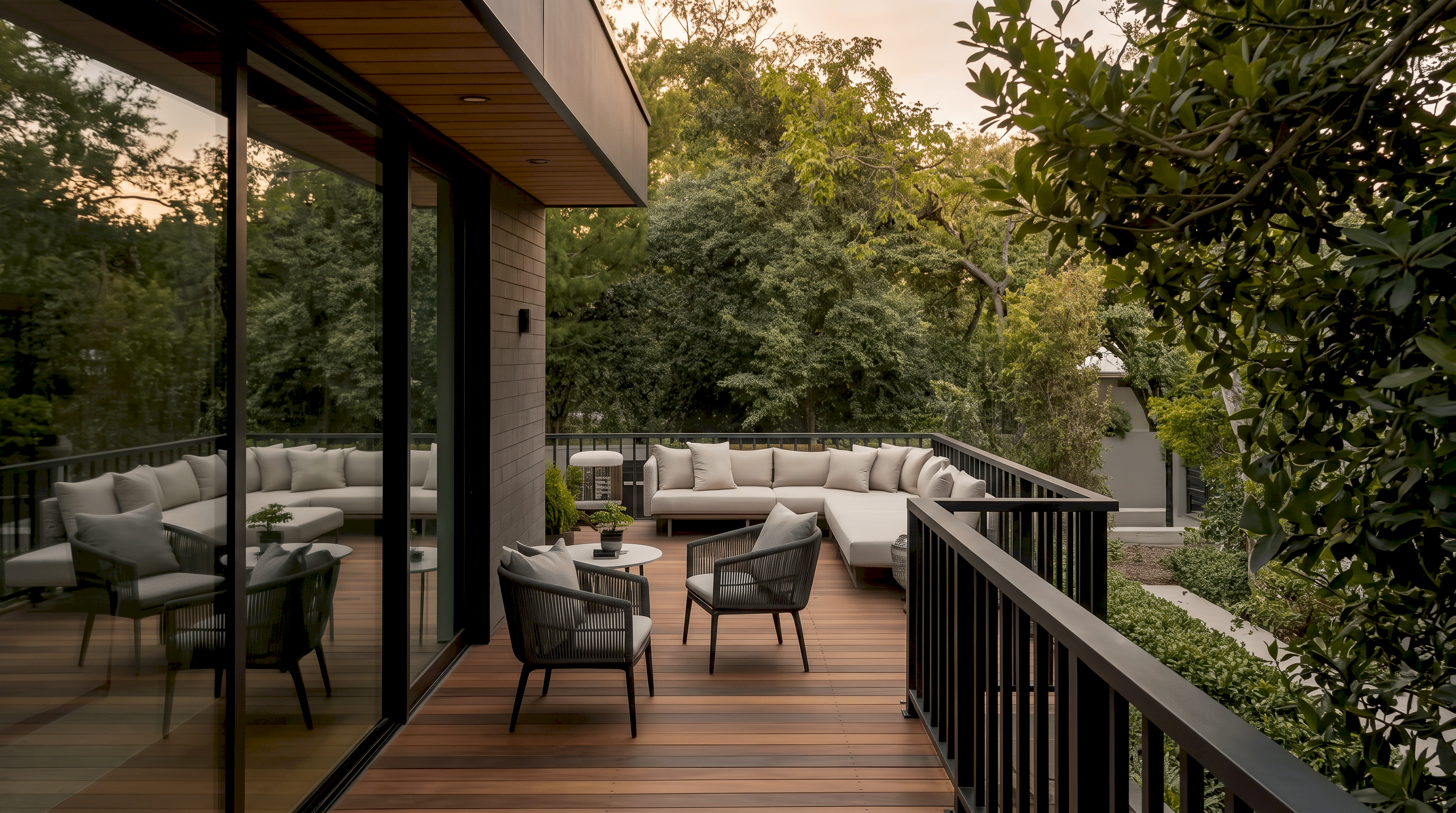
Privacy Without Blocking Light: Pergolas, Screens, and Planter Walls
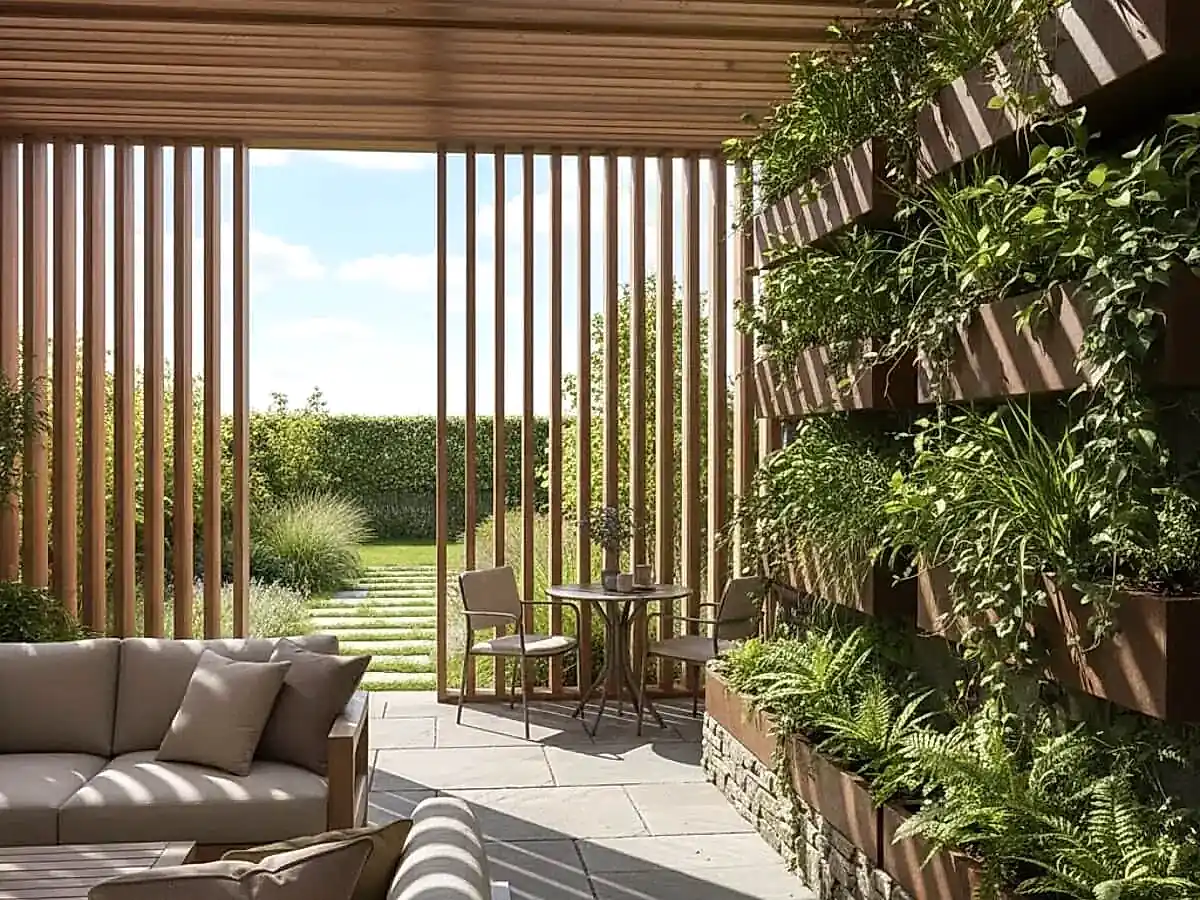
Why Chase Privacy And Daylight?
Open-air living feels best when you’re shielded from neighbors without turning a bright deck into a cave. The sweet spot is “filtered privacy”: you soften views and noise while still inviting sun and breeze. Pergolas, louvered or slatted screens, and planter walls are the most reliable ways to get there. A pergola’s open lattice creates shade with moving patterns of light, and it’s designed to support climbers or light-filtering roof options.
Strategy 1: Pergolas That Protect Views Yet Welcome Light
How Pergolas Deliver “Soft Shade”
A standard pergola filters sunlight through rafters and purlins, creating a dappled, tree-like pattern. It cuts glare without full darkness, so you can read, relax, or dine in comfort through most of the day. Adding adjustable louvers, fabric shade, or climbing plants increases shade when you want it.
Orientation Matters
Align rafters perpendicular to the strongest afternoon sun to reduce glare during peak hours, then fine-tune with seasonal accessories.
Rafter Depth And Spacing
Deeper rafters and closer spacing block more direct sun. Keep gaps modest to preserve a bright, open feel and airflow.
Light-bright Roof Panels
Twin- or multi-wall polycarbonate panels can transmit around 75–80% of daylight while diffusing harsh rays. They’re great when you need rain protection without gloom.
Green Shade On Demand
Train vines along the beams to thicken privacy over time. Choose non-invasive climbers that suit your climate and maintenance style.
Materials That Last Outside
Naturally durable woods like western red cedar resist moisture, decay, and insects, making them strong candidates for pergolas and screen frames. If you prefer ultra-low upkeep, composite and aluminum elements can pair beautifully with wood posts.
Hidden Strength
Use proper footings, ledger connections, and hardware for wind and seismic loads. Strong structure keeps light, breezy designs safe.
Strategy 2: Louvered And Slatted Privacy Screens
Control Sightlines Without Losing Air And Sky
Louvered or sight-proof screens are engineered to block direct views while allowing air and some light to pass through. Overlapping blades and set angles interrupt sightlines from common viewing positions yet keep spaces bright and breathable.
Angle And Spacing Basics
A mid-range blade angle around 30–45° often balances privacy and free area. Tighter spacing increases visual block; wider spacing boosts daylight and airflow.
Horizontal vs Vertical
Horizontal blades complement modern decks and widen the feel of small yards. Vertical blades can better screen tall neighboring windows.
Mix And Layer
Combine fixed louvers with a high, open slatted panel above. You’ll shield views at seated and standing heights while letting sky light in at the top.
Durable Finishes
Powder-coated aluminum frames and composites resist fading and moisture. They pair well with wood posts for a warm-meets-modern look.
Screens That Glow, Not Block
If a solid panel is needed in spots, consider translucent inserts. Clear or opal twin-wall polycarbonate diffuses brightness, softens silhouettes, and blocks UV while keeping spaces daylight-rich.
Strategy 3: Planter Walls And Living “Green” Screens
Soft Privacy, Better Acoustics, Cooler Microclimate
Planter walls—modular boxes or built-in troughs with trellises—grow vertical greenery where you need it most. Vegetated walls don’t just screen views; studies show living walls can reduce ambient noise and improve thermal comfort, with measured sound reductions often in the ~9–15 dB range and measurable cooling effects.
What To Plant
Evergreen climbers and densely branching shrubs keep coverage year-round. Star jasmine and honeysuckle are common climbers for trellises; always choose species that fit your climate.
Bamboo Caution
If you like bamboo’s fast, tall screen, choose clumping types and use root control where needed. Running bamboo spreads aggressively without barriers.
Depth And Drainage
Use deep planters with a free-draining mix. Irrigation lines keep foliage lush, which also improves acoustic absorption on breezy days.
Living With Maintenance
Prune a few times yearly to keep growth within the frame. Trim near seating and pathways for comfortable circulation.
Putting It Together: Three Light-friendly Layouts
The “Framed Outlook” Deck
Run a pergola over the main seating zone. Add 6–7-foot louvered screens on the two most exposed sides, leaving the garden-facing side open. Cap the pergola with diffusing polycarbonate above the table only, so meals stay bright on rainy days while the lounge remains open to the sky.
Why It Works
You block direct lines of sight at eye level, but open air and top light keep the space fresh and cheerful.
The “Green Curtain” Wall
Build a low planter bench at the deck edge with integrated trellis panels rising to 6–8 feet. Plant a mix of evergreen climbers for year-round cover and seasonal bloom for scent and pollinators. The foliage absorbs sound and filters light for a calm retreat.
Why It Works
Plants break up views and scatter light rather than casting hard shadows, so the deck stays bright and inviting.
The “Hybrid Halo” Pergola
Use a cedar pergola for warmth and longevity. Fit fixed louvers on the west face to tame late-day glare. Leave the roof open but ready for seasonal shade cloth. Add a single translucent panel above the grill so you can cook during showers without dimming the whole area.
Why It Works
Each surface does one job well—privacy, glare control, or rain protection—while daylight still washes the space.
Practical Tips Before You Build
Site And Neighbors
Stand and sit where you’ll spend time. Note the angles from nearby windows or balconies. Place screens where they break the line of sight first, then fine-tune for sun and wind.
Height, Wind, And Safety
Screens catch wind; anchor posts, footings, and connections accordingly. Check your local rules for deck add-ons and privacy screen heights.
Lighting That Loves Light
Layer small, warm fixtures (step lights, sconces, pendants) so evenings feel cozy without “over-lighting” plants or neighbors’ windows.
Maintenance Rhythm
Wash polycarbonate and louvers gently once or twice a year. Refresh wood finishes on a schedule; prune climbers to protect gutters and rooflines.
Bring In Privacy, Keep The Light with Intercrus Decks
You don’t have to choose between seclusion and sunshine. Pergolas deliver patterned shade and structure, louvers and slats steer sightlines without stopping airflow, and planter walls add living texture while softening noise and heat. When these elements work together, your deck feels open, calm, and beautifully usable in every season. If you want a plan that fits your space, Intercrus Decks can design and build pergolas, privacy screens, and planter walls that protect your views and your daylight—so you get a bright, comfortable outdoor room that feels like home.