Top Wood Siding Options to Elevate Your Home’s Exterior
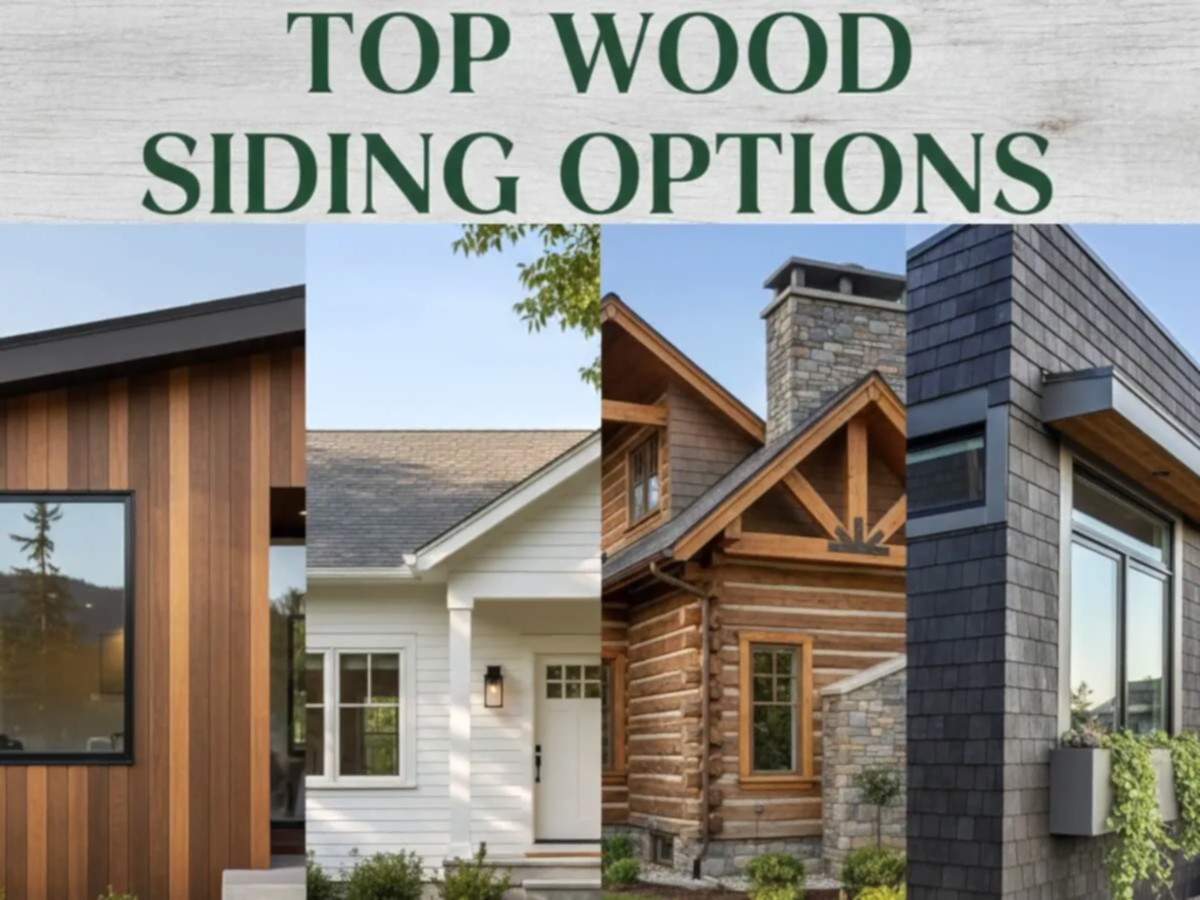
Wood siding has long been the material of choice for American homeowners seeking a natural appearance. Its appeal comes from the warmth of real grain, the variety of patterns and species available, and its ability to increase curb value. Wood siding also offers a renewable resource and can be reused or composted at the end of its life. With so many species and styles available, however, choosing the right option can feel overwhelming. This blog breaks down the main design patterns, highlights the qualities of popular types, and explores modern alternatives so you can make an informed choice.
Design Styles and Textures
Traditional Patterns: Clapboard, Shingles, And Board‑and‑batten
Clapboard, shingles, and board‑and‑batten create distinct impressions. Clapboard, sometimes called bevel siding, consists of long boards that overlap each other; traditionally made from cedar or redwood, it delivers a repeating horizontal pattern and gives homes an old‑world charm. Shingles and shakes offer a similar look but differ in how they are made; shingles are machine‑cut for a uniform appearance, while hand‑split shakes have a rustic texture. Board‑and‑batten uses alternating wide and narrow strips, creating vertical shadows and imparting a farmhouse feel. Each pattern can be painted or stained, allowing homeowners to match their desired color scheme, yet each demands different installation techniques and maintenance routines.
Modern Profiles: Tongue‑and‑groove And Engineered Panels
Tongue‑and‑groove siding fits boards together edge to edge, with a “tongue” fitting into an adjacent “groove.” This design produces a sleek surface and offers improved protection from rain and wind. Engineered panels take wood fibers bound with resins and create boards that mimic the look of natural wood. The manufacturing process—pressing fibers under heat and adding wax and zinc borate for moisture and insect resistance—creates a strong, durable product. Engineered panels come in many colors, textures, and finishes, giving homeowners a modern option with lower maintenance requirements than solid wood. While the long‑term lifespan of these products is still being evaluated, they typically last about two to three decades with minimal upkeep.
Popular Wood Types And Their Characteristics
Cedar
Cedar’s natural insect‑repelling properties mean that homeowners often don’t need chemical treatments. It is harder than other softwoods, such as pine, and is easy to work with. Cedar siding is known for its straight grain and rich red and white hues that create a cabin‑like feel.
Redwood
Redwood offers exceptional stability and resists shrinking or warping. It is naturally resistant to insects and decay, requiring only periodic sealing every three to five years. Because much of the original redwood forest has been harvested, this kind of wood is generally more expensive.
Pine
Pine grows quickly and is readily available across North America. Its low cost makes it attractive, yet pine lacks natural resistance to rot and insects and can attract termites. Techniques such as charring the surface or thermal modification can improve its durability.
Cypress
Cypress wood is lightweight, easy to process, and extremely durable. It repels insects naturally and resists rot, which historically made it a standard siding for homes. Scarcity and difficulty in milling have raised its price, so reclaimed cypress from older buildings is sometimes used.
Spruce
Spruce is a light‑colored softwood that can be stained or painted to match many styles. It is affordable and easy to work with, but requires regular maintenance to prevent decay and insect damage.
Engineered Wood
Engineered wood siding is made from wood fibers mixed with resins and wax; it can closely mimic real wood while offering strong resistance to water, pests, and fungi. It uses by‑products from lumber mills, reducing pressure on forests. Homeowners typically need to repaint engineered boards only every ten years.
Profiles And Installation Methods
Clapboard Siding
Clapboard is among the most traditional forms of wood siding. Long, narrow boards overlap to create a repeating pattern that sheds water effectively and evokes historical homes. Cedar and redwood are common species for clapboard, offering durability and charm.
Shingle And Shake Siding
Wood shingles are machine‑cut for a smooth, uniform appearance, while shakes are split by hand, producing a rougher, rustic look. Both provide excellent weather resistance and suit classic and contemporary home styles.
Board‑and‑Batten Siding
This vertical design alternates wide boards with narrow battens, creating shadow lines that add depth to a facade. Board‑and‑batten works well for farmhouse‑style homes and can emphasize height on single‑story houses.
Tongue‑and‑Groove Siding
Each board has a projecting tongue on one edge and a matching groove on the other. The snug fit produces a streamlined look and extra protection from wind and moisture.
Key Considerations Before Choosing Wood Siding
- Maintenance and longevity: Wood siding requires ongoing care. Regular inspections, cleaning with mild detergent, and resealing every few years help maintain appearance. Some wood types, like pine, need more frequent maintenance to prevent rot and pest damage.
- Cost and availability: Pricing varies widely. Premium wood types such as redwood and cypress are costly due to scarcity, while pine and spruce offer an affordable alternative. Engineered wood provides a budget‑friendly option with low installation costs.
- Environmental impact: Many wood sidings are sourced from sustainably managed forests and can be recycled or biodegraded at the end of their life. Engineered products reduce waste by using by‑products.
- Climate and safety: Wood is susceptible to moisture, weathering, rot, and pests. Some wood types are also flammable. Engineered or fiber‑cement boards provide better fire resistance and moisture protection.
Choosing The Right Siding For Your Home
Choosing a wood siding material requires balancing aesthetics, durability, maintenance, and budget. Classic patterns like clapboard, shingles, or board‑and‑batten provide timeless charm; modern styles such as tongue‑and‑groove and engineered panels offer sleeker lines and easier upkeep. The type of wood affects both appearance and durability: cedar and redwood resist insects and decay, while pine and spruce are more affordable but need more care. Engineered wood combines recycled fibers and resins to imitate natural grain, offering long-lasting performance with less maintenance.
Maintenance should not be ignored. All wood siding needs regular cleaning, inspection, and resealing. Ignoring rot, mildew, or insect damage can reduce the siding’s lifespan. Also, the local climate is important: in humid or wildfire-prone areas, homeowners might think about using engineered or fiber-cement siding for better resistance to moisture and fire.
Finally, consider your overall project budget. Premium woods cost more up front but may offer longer service life. Engineered wood and fiber cement carry lower installation costs and require repainting less often. Whatever you choose, work with professionals experienced in siding installation to ensure proper fitting and weather sealing.
We have years of experience crafting siding that complements the beauty of Seattle homes. Our siding contractors listen to your vision and help you choose the siding that matches your style, budget, and lifestyle goals. Whether you love the rustic texture of cedar, the sleek lines of tongue‑and‑groove, or the low‑maintenance benefits of engineered boards, we can install a façade that enhances curb appeal and protects your home. Contact us to explore the best wood siding options and give your house an exterior that stands out.