
How Do You Know If a Deck Needs Water Sealant? A Complete Guide
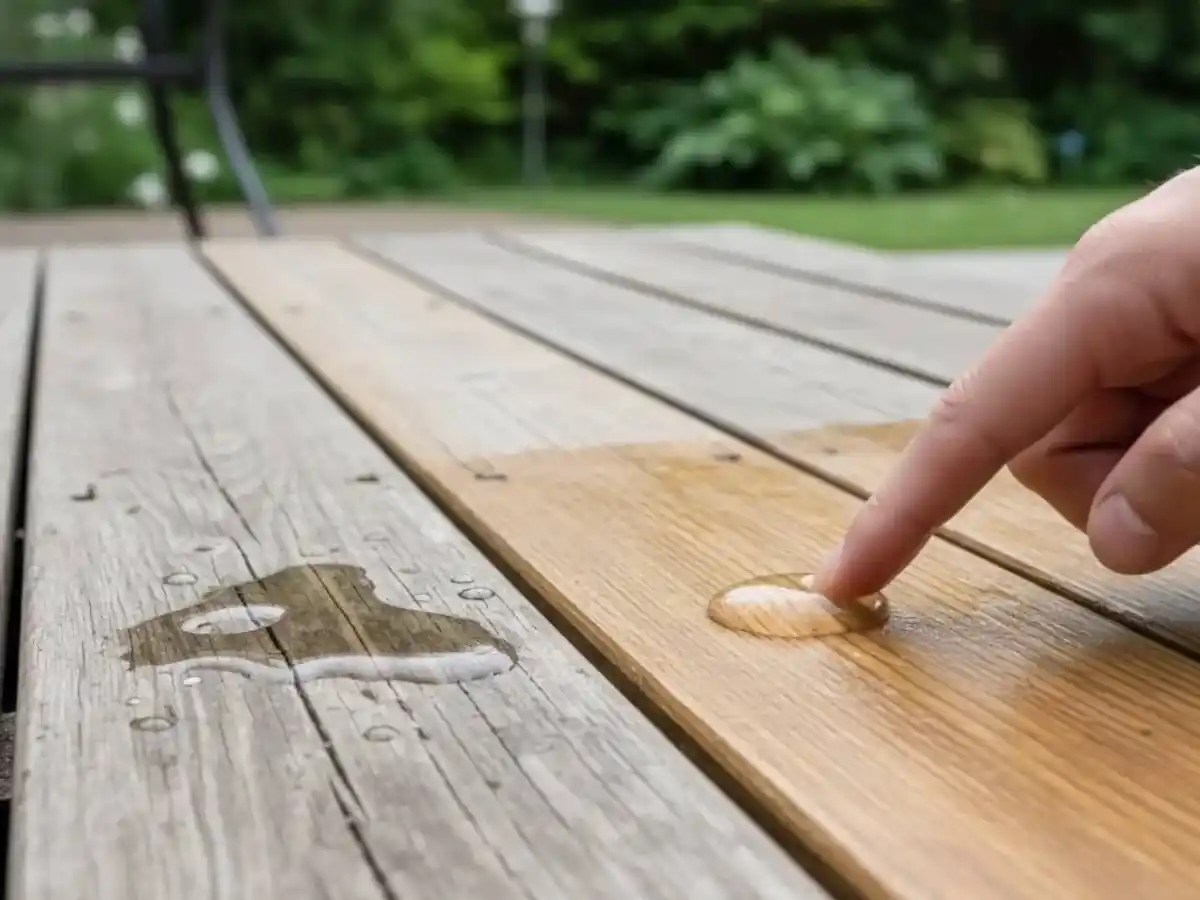
Your deck faces sun, rain, and foot traffic every day. Without proper protection, wood absorbs moisture, swells, cracks, and grows mildew. A water sealant blocks that cycle, keeping boards stable and beautiful. So, how do you know if a deck needs water sealant? Look for fast clues: how water beads or soaks in, color changes, fuzzy fibers, and soft spots. A few minutes of simple testing reveal whether it’s time to re-seal and prevent expensive repairs. This article explains DIY checks, timing, prep, and safe application. Use these steps before seasonal rains, after heavy use, or following snowmelt for durability.
Visual and Simple Tests to Assess Water Protection
The Sprinkle Test: Watch Water Behavior
Start with a clean, dry board. Sprinkle a handful of water across several spots and observe. If droplets bead and sit proudly for several minutes, your sealant still works. If water flattens, darkens the grain within thirty seconds, or vanishes quickly, absorption is happening. Absorption means fibers are unprotected, inviting swelling, checking, and fungal growth. Repeat in shady and sunny areas because exposure varies across the surface. Test railings, treads, and high-traffic zones, too. Record results with photos so you can compare later and schedule resealing before damage accelerates. Avoid testing during the sun or wind, which speeds evaporation and misleads.
Color, Grain, and Surface Feel
Look closely at the deck’s color and texture. Freshly sealed wood sheds water and keeps a lively, even tone. Unsealed areas darken after rain, then fade irregularly as they dry. Run your hand along the grain: fuzzy fibers or splinters indicate swollen, raised cellulose from repeated wetting and drying. Press a screwdriver tip gently into an inconspicuous spot; soft indentations suggest moisture intrusion. Pay attention to planters, stairs, and furniture legs where trapped water lingers. Note gray, sun-bleached sections; UV exposure breaks down coatings, often starting on south-facing boards. When coatings fail, dirt bonds to fibers, making cleaning harder overall.
Age, Weather, and Maintenance History
Water protection fades with time and exposure. New decks often need sealing after their initial dry-down period, typically a few months, depending on species and climate. High sun, heavy rain, coastal air, and freeze-thaw cycles shorten the interval. If you cannot remember the last sealing, assume inspection is overdue. Note cleaning methods: harsh washing can strip coatings faster than gentle rinsing. Record dates, products, and weather in a simple notebook or phone note. A basic history helps you spot patterns, plan seasonal care, and avoid guessing when the next application is due. Busy households and pets accelerate wear on treads.
Common Problems You’ll See When Sealant Has Worn Off
Dark Staining and Blotchy Color
Unsealed boards inhale water, darkening unevenly and leaving blotches after every rain. UV light then whitens high spots, creating patchwork color. These repeating cycles signal coating loss. Deep stains around knots and fasteners also suggest moisture pathways that a fresh water sealant can close quickly before decay and warping start.
Raised Grain and Splinters
Repeated wetting swells fibers; drying shrinks them, lifting the grain. Feet snag on brittle splinters, and sweeping becomes frustrating. Fuzz indicates fibers are breaking down from moisture and sun. A penetrating, breathable water sealant helps lock fibers, reduce swelling, and keep the surface smoother under traffic for longer, safer use.
Cupping, Checking, and Cracks
Boards that absorb water curl upward at edges, a failure called cupping. Checking shows as fine, shallow splits from repeated stress. Wider cracks follow as seasons pass. Sealant slows moisture swings that drive these deformations, protecting fasteners, paintable components, and the structural integrity beneath your walking surface and reducing replacements.
Fast Fungal Growth
Moist wood invites mold and mildew. Dark films grow first in shaded corners and under planters. Left alone, hyphae penetrate fibers, weakening bonds and creating slick, unsafe surfaces. Proper sealing sheds water so surfaces dry faster, making routine washing effective and preventing stubborn biological staining from returning soon after storms.
Rust Marks and Hardware Corrosion
Water held against screws and hangers accelerates rust. Orange halos around fasteners point to moisture entry points. Corrosion stains bleed onto boards and into the end grain. By restoring water repellency, you limit metal exposure, protect connections, and avoid costly structural fixes caused by hidden deterioration near hardware and joist seats.
How to Prepare and Apply Sealant the Right Way
Choose the Right Product Type
Penetrating, breathable sealants are ideal for most decks because they repel water without trapping vapor. Avoid film-heavy coatings that can peel under traffic. Match the product to the wood species and exposure. Clear, tinted, and semi-transparent options balance UV protection with the natural look you prefer. Verify manufacturer guidance before buying.
Pick the Right Weather Window
Apply when surfaces are dry and temperatures are moderate. Avoid direct midday sun and imminent rain. Calm, shaded conditions prevent flashing and lap marks. Check the forecast for multiple dry days so the deck can cure fully before foot traffic, furniture placement, and normal outdoor use resume comfortably without rush.
Deep Cleaning Comes First
Sweep debris, then wash using a deck cleaner suited to your wood and prior coatings. Rinse thoroughly to remove residue that can block penetration. A light, careful sanding after drying smooths raised fibers. Never rush this prep step; adhesion and appearance depend on clean, open pores across the entire surface.
Dry Time and Moisture Content
Wood moisture must be low for the sealant to penetrate. If you have a meter, aim for the manufacturer’s recommended range. Lacking a meter, allow a generous dry time after cleaning or rain. Cool, shaded sections dry slower; test those last before starting application across the entire deck to ensure consistent results.
Apply Evenly and Maintain
Use the applicator recommended for the product: pad, brush, or sprayer. Work with the grain in small sections to avoid misses. Wipe excess to prevent shiny patches. Log the date and conditions, then schedule inspections each season so you catch wear early and refresh protection proactively before problems become expensive.
Quick Decision Checklist
- Water test result shows soaking within thirty seconds on multiple boards, including shaded areas and stair treads; reseal now to prevent swelling, splinters, and staining through the season and beyond.
- Surface feels rough or fuzzy after drying, with new splinters appearing along traffic paths; sealing halts fiber lift, improves sweepability, and lowers risk of snags, scrapes, and painful barefoot moments.
- Discoloration persists: gray, patchy boards with dark halos near fasteners or rail posts; fresh water repellency reduces blotches, slows corrosion, and restores a consistent, attractive appearance with easier maintenance routines.
- You can’t remember the last sealing, or past notes show two or more harsh washes this year; schedule resealing to rebuild protection and stabilize the surface before harsh weather returns.
- Recent storms, heavy sun, pets, and parties increased wear; plan proactive sealing during an open weather window, log product and date so the next check is simple, fast, and stress-free.
Protect Your Deck Now — Simple Steps, Lasting Results
When water beads disappear quickly, grain feels rough, or stains linger, your deck is asking for help. Acting now is simpler than repairing cupped boards later. Clean thoroughly, allow full drying, and apply a penetrating, breathable water sealant in calm, moderate weather. Record the date and conditions so your next inspection is easy. Need expert guidance, careful prep, and reliable application? Intercrus Decks makes the process straightforward. Our crews assess boards, railings, and stairs, recommend suitable sealants, prep correctly, and apply evenly for consistent protection. We also share upkeep schedules so you can spot wear early and plan timely refreshes. Whether you host weekend gatherings or simply want quiet evenings outside, sealed wood stays stable, safer, and better looking.
Call Intercrus Decks to schedule an on-site assessment and keep your deck ready for weather and daily life. From first rinse to final coat, we handle details carefully, reduce disruption, and leave notes for future maintenance and budget planning. For searchers asking, “How Do You Know If a Deck Needs Water Sealant,” the answer is clear: test, inspect, and act. Our deck builders will help you complete those steps efficiently, protect your investment, and enjoy your outdoor space with confidence throughout the seasons ahead.