Why an Outdoor Pergola With Roof Is the Perfect Backyard Upgrade
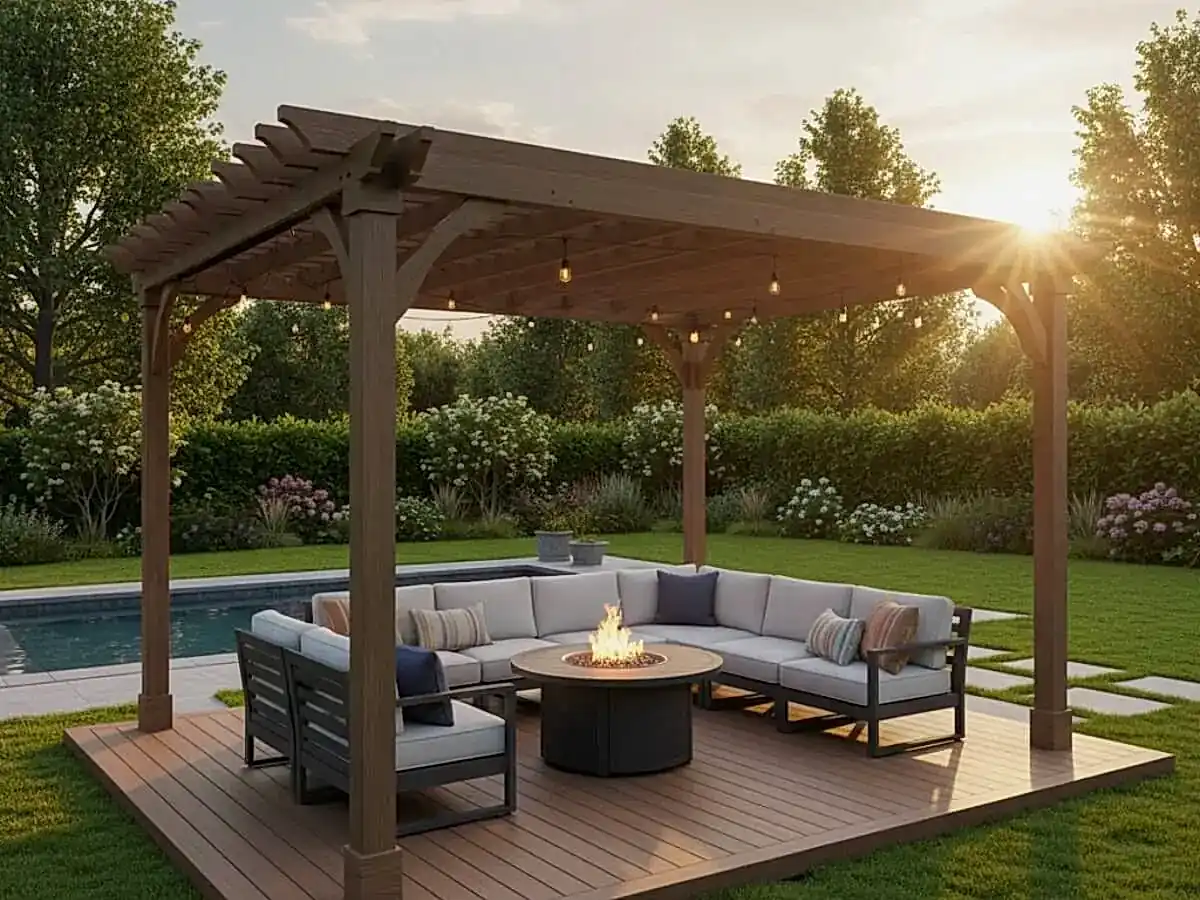
An outdoor pergola with a roof turns a good yard into a space you can use far more often. With shade, rain protection, and smart material choices, it adds comfort, extends living space, and protects the area beneath from the weather. Below is a clear guide to why it’s worth considering, how to choose materials, and what to know about codes, loads, and upkeep.
What a Roofed Pergola Actually Does
Year-Round Comfort And Shade
A roofed pergola blocks direct sun, reduces glare, and makes hot days easier to enjoy. Shading outdoor areas can also reduce solar heat gain on nearby windows and walls, helping indoor spaces feel cooler and lowering cooling needs. Energy agencies consistently note that well-placed shade cuts heat buildup and can reduce air-conditioning use.
Real Shelter From Rain
Unlike open-slat pergolas, a pergola with a solid or louvered roof gives you a dry zone for seating, cooking, or work. Waterproofing options include louvered roofs with drainage, fixed panels, and canopies; adding gutters or integrated downspouts keeps water away from posts and the patio.
More Useful Living Space
Covered, comfortable square footage outside supports daily routines, morning coffee, a quiet work nook, or weekend dinners without expanding your house. Lifestyle publications and real-estate research frequently link functional outdoor zones to greater buyer interest and higher sale prices. At the same time, results vary by market, and outdoor features have shown sale-price bumps in recent data. A well-designed roofed pergola contributes to that larger outdoor-living package.
Roof Options: What to Put Overhead
Polycarbonate Panels (Clear Or Tinted)
Multiwall or solid polycarbonate panels are light, tough, and often include a UV-blocking layer. They allow daylight in while shedding rain. Look for sheets with co-extruded UV protection and check technical data for impact and tensile properties. Keep in mind: clear panels can admit heat under intense sun; tints or diffusing panels soften brightness.
- Lightweight means simpler framing.
- Good impact resistance and UV protection.
- Can feel warm beneath in midsummer without tint or shade management.
Metal Panels (Corrugated Or Standing Seam)
Metal resists weather and lasts for years with minimal upkeep. It fully blocks the sun and sheds rain efficiently. Noise in heavy downpours is the main trade-off for many homeowners.
Fabric Canopies (Fixed Or Retractable)
Canopies filter sun and light rain, with softer light and a casual look. They typically need periodic replacement and careful tensioning, so plan for maintenance.
Glass Panels
Glass delivers a premium look and high daylight, but is heavier and may need more structure and careful drainage planning.
Louvered Roofs (Manual Or Motorized)
Adjustable louvers shift from open to closed for sun control and, on many systems, channel water into hidden gutters when shut. They’re versatile and effective for year-round use.
Structure, Codes, and Loads: Plan It Right
Permits Depend On Location, and The Roof Can Change The Rules
Rules aren’t the same everywhere. In many places, adding a roof changes a pergola’s status and may trigger permit requirements, even if an open pergola might be exempt. The safest path is to consult your local building department and, if applicable, your HOA before you design and build. Some jurisdictions explicitly state that adding a roof removes an exemption.
Wind And Snow Loads
A roof adds uplift in wind and weight under snow. Local codes set design loads (often based on national standards), and connections, post sizing, and footings must match those loads. Sound anchoring, reinforced posts, and proper foundations are essential for safety and longevity.
Drainage Matters
Plan gutters, downspouts, and water paths so runoff doesn’t soak posts or the patio. Many louvered systems drain through the frame into the columns; fixed roofs should include conventional gutters. Keep them clear of leaves.
Materials for the Frame
Wood (Pressure-treated, Cedar, Or Modified Species)
Wood offers a warm look and is easy to work with. Pressure-treated lumber is widely available and resists rot and insects; cedar has natural oils that perform well outdoors. Expect regular sealing or staining if you want to maintain color and minimize checking. Typical lifespans vary by climate and care.
Aluminum
Aluminum frames are light, stable, and low-maintenance—generally needing only occasional cleaning. They don’t rot, and insect damage isn’t a concern. Upfront cost can be higher than basic wood, but ongoing upkeep is usually lower.
Design Tips That Pay Off
Site and Orientation
Place the custom pergola where it shades the spaces you use most and where the afternoon sun is strongest. Shading west- and south-facing exposures reduces heat gain indoors and outdoors.
Light, Power, And Comfort Add-ons
Integrated LED lighting, a ceiling fan rated for damp locations, outdoor heaters, and privacy screens can turn a seasonal space into a near year-round retreat. Weatherproofing articles highlight the value of side panels or blinds for wind and rain, plus discreet gutters to prevent splashback.
Furniture And Surface Protection
A roof protects cushions, rugs, and decking from UV and rain, extending their life. Polycarbonate and fabrics with UV layers help limit fading of the area beneath.
Maintenance: Keep It Looking Great
- Clean the roof a few times a year; use non-abrasive methods on polycarbonate to preserve clarity.
- Inspect fasteners and connections annually and after storms; tighten or replace as needed.
- Care for wood with periodic sealing or oil-based preservatives to resist moisture; elevate posts on proper brackets or footings to avoid rot.
- Clear gutters and downspouts to prevent overflow and staining.
Value and Resale: The Bigger Picture
A roofed pergola doesn’t just look nice—it supports the broader trend toward outdoor living. Recent analysis shows certain outdoor features help homes sell for more than expected. While data points vary and no single feature guarantees a return, a durable, well-integrated pergola with a roof clearly enhances usability and curb appeal, which can support buyer interest.
Ready to Plan Your Outdoor Pergola With a Roof?
When you add a roof to a pergola, you gain shade, rain protection, and a true extension of your living space. Choose the right roofing (polycarbonate, metal, fabric, glass, or louvers), size your posts and footings to local loads, plan drainage, and match the frame material to your upkeep preferences. Check codes early, then build with quality hardware and weather-smart details.
Intercrus Decks can help you plan, design, and build a pergola with a roof that fits your space, handles your climate, and looks great for years. If you’re ready to make the most of your backyard, reach out and let’s map the next steps.
FAQs About Outdoor Pergola With Roof
Do I always need a permit for a roofed pergola?
Permit needs depend on local codes, size, height, attachment, and whether the structure is roofed. Many areas require permits for covered structures. Check with your local building department and any HOA before you start.
Which roof material is best?
There’s no single “best.” Polycarbonate is light and lets in daylight; metal is durable and opaque; fabric is flexible but needs periodic replacement; glass looks premium but is heavier; louvered systems offer adjustable shade and integrated drainage. Pick based on light, heat, budget, and maintenance.
How does a roofed pergola handle wind and snow?
Design and anchoring must meet local wind and snow loads. Proper footings, connections, and bracing are essential for safety and longevity. Your plans should reference local code requirements.
Will a pergola with a roof make my house cooler?
Shading outdoor areas near windows and doors reduces solar gain and can ease cooling demand. Combining shade with ventilation and landscape planting amplifies the effect.
Wood or aluminum for the frame?
Wood delivers a classic look but needs periodic sealing to maintain appearance. Aluminum is low-maintenance and stable over time. Both work well when designed and built correctly; the choice comes down to budget, style, and how much maintenance you prefer.