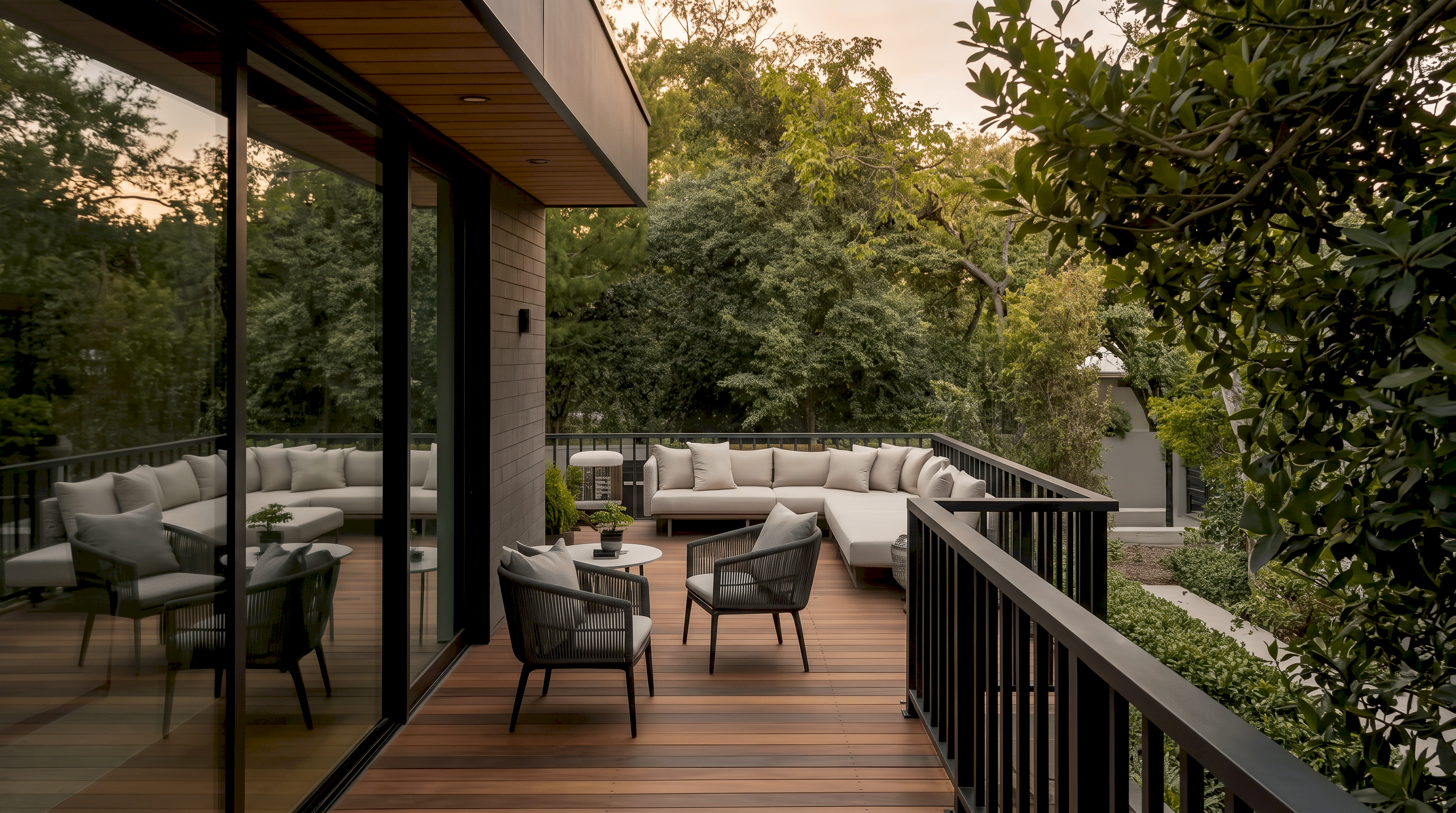
Why You Should Never Paint a Deck: The Hidden Damage It Causes
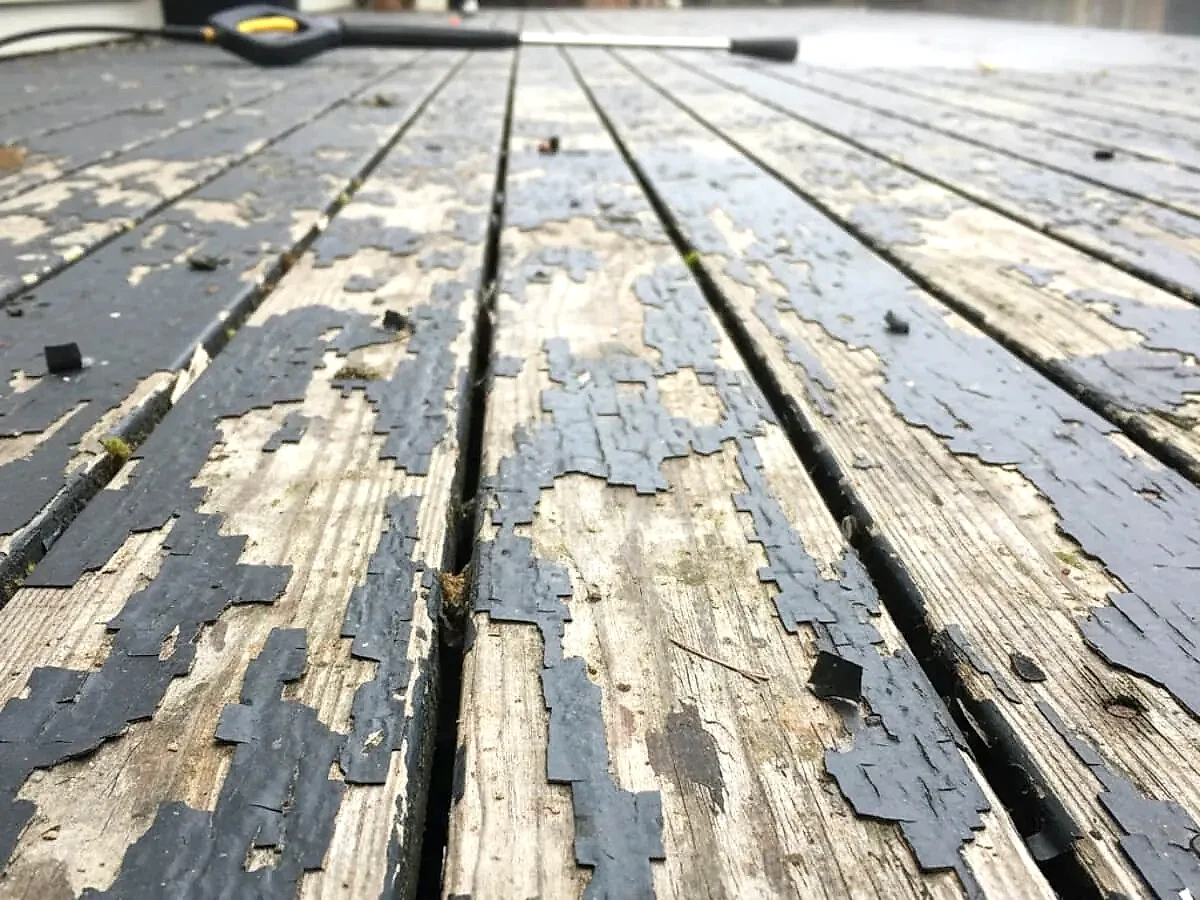
Painting may look like a quick refresh, yet it often becomes the fastest route to damage. Deck boards swell, shrink, and breathe from all sides; thick paint films can’t flex enough, so they crack, blister, and peel. Moisture creeps in through end grain, fastener holes, and the unpainted underside, trapping beneath the surface coat. That trapped moisture accelerates decay, invites mold, and causes coatings to fail faster. Once failure starts, maintenance explodes: scraping, sanding, and stripping repeat in short cycles. If you value longevity, beauty, and safety, there’s one rule to remember: never paint a deck—protect it the right way.
What Paint Does to a Deck—and Why It Fails
Film Vs. Wood Movement: The Physics Behind Failure
Wood moves constantly with temperature and moisture. Horizontal deck boards take sun, wind, and rain on top while drawing moisture from below. A paint film tries to seal the surface, but cycles stretch it beyond its limits. Small cracks form, then blisters appear as vapor pressure builds beneath the coating. Once the film breaks, peeling exposes thirsty wood that soaks more water and speeds the cycle. Penetrating finishes behave differently: they soak in, let vapor escape, and don’t form a brittle shell. That’s the core reason Why You Should Never Paint a Deck on any climate-exposed surface for long-term results.
The Maintenance Spiral You Can’t Win
Once paint is down, you inherit a rigid schedule. Sunlight oxidizes the film; tiny failures collect dirt and hold moisture. Every wetting and drying cycle widens the cracks until sheets of coating lift away. Refinishing becomes a chore list: scrape to bare wood, sand feather edges, wash, prime, and repaint at precisely the right thickness. Miss a step and adhesion suffers, making the next failure arrive sooner. By contrast, a penetrating stain allows simple cleaning and recoating without heavy removal at all. If maintaining weekends and budgets matters, Why You Should Never Paint a Deck should be your standing rule.
Air Quality And Materials Reality
Architectural coatings release volatile organic compounds during and after application. These gases contribute to ground-level ozone and smog, which is why regulations limit VOC content and drive continual reformulation of paints and stains. On premium decks, the problem is double: products with higher solids can create thicker films that are less breathable, and sanding failed paint releases dust that you must contain. Choosing a penetrating finish reduces scraping and dust, cuts solvent use over time, and supports cleaner routines. For homeowners focused on healthier projects, another reason Why You Should Never Paint a Deck is reducing needless emissions and messy removal steps.
Hidden Damage Paint Causes
Trapped Moisture And Rot
Paint slows surface wetting but also slows drying. Deck boards absorb water from cut ends, fastener penetrations, and the underside. When vapor tries to escape, a rigid film resists, creating blisters and micro-delamination. Under that shell, fibers stay damp longer, which significantly accelerates fungal growth and hidden structural decay risks.
Thermal Stress and UV
Sunlight heats coated boards fast; shade cools them just as fast. This expansion-contraction cycle pushes a paint film past its elastic limit, especially on flat-sawn stock. Add ultraviolet degradation at the wood–coating interface, and adhesion quickly weakens. The result is cracking that invites water, then widespread peeling as seasons turn.
End-grain Wicking
Deck ends sip moisture like straws. Even a well-brushed paint job rarely seals every cut, check, and screw hole. Water enters those pathways, travels under the coating, and lifts paint from beneath. Once edges curl, wind-driven rain pushes farther, quickly multiplying failures across boards, handrails, and hidden joints over time.
Fastener Halo Failure
Screws and nails create stress risers. Paint tends to crack in rings around fastener heads where movement is greatest. Moisture funnels through those fractures, darkening wood and rust-staining hardware. From each tiny halo, peeling spreads outward, leaving craters that catch water, dirt, and ice—accelerating future coating loss and rot further.
Uneven Wear And Hot Spots
High-traffic zones abrade the film faster than shaded, rarely used corners. Soon you’ll see glossy patches beside bare patches, and color mismatches after spot repairs. Because paint hides grain, repairs remain noticeably obvious. The surface also heats more in dark colors, raising thermal stress and driving faster deterioration cycles overall.
Why Penetrating Stains Outperform Paint On Decks
Breathability Prevents Blisters And Peeling
Penetrating stains soak into surface fibers instead of forming a continuous shell. Because vapor can pass, pressure doesn’t build under the coating, so there’s no blistering cycle to trigger mass delamination. Even when moisture content rises, a penetrating system remains serviceable where paint films would be cracking and peeling apart.
Simpler Maintenance
When a penetrating stain weathers, it fades thinly instead of lifting in sheets. Preparation is modest: wash, dry, and recoat; no heavy scraping or feather-sanding. Because fresh stain can bond into the wood, you avoid the thick, brittle build that makes future projects slower, much dustier, costlier, and unnecessarily hazardous.
UV Protection With Pigment
Pigmented semitransparent stains add ultraviolet defenders where wood needs it—at the surface. Color particles shield lignin from sun damage while still revealing grain, extending service life compared with clear products. This balance of protection and appearance is difficult for paint on decks, which hides grain and fails in larger sheets.
Better On Weathered Or Rough Surfaces
Decking is often rough-sawn, checked, or weathered. Penetrating systems excel here because the texture increases surface area and absorption. Instead of floating over high spots, stain wicks into fibers and stabilizes appearance. Paint demands smooth, stable substrates; on rough faces, it bridges voids, then quickly cracks and lifts under stress.
Works With Wood Movement
Deck boards inhale and exhale moisture every day. A penetrating finish moves with those cycles because it resides within fibers, not above them. Without a brittle shell, there’s nothing large to fracture. Maintenance stays predictable, and the surface never traps vapor in ways that invite premature decay and severe failure.
Already Have Paint? Smart Next Steps
- Assess Realistically: Probe suspect boards with an awl, check end-grain, and watch for cupping. Adhesion tests with tape reveal weak areas. If more than one spot failure appears, plan for full removal.
- Work Safely: Contain debris, ventilate, and wear protection when stripping, sanding, or brightening. Follow product directions; never mix chemicals. Dispose of solvent-soaked rags in sealed containers to prevent ignition hazards.
- Open the Wood: After stripping, sand to fresh fibers and clean. Rinse with low-pressure water and let the boards dry. Dry wood welcomes penetrating finishes; damp wood locks in problems beneath coatings.
- Switch Systems: Choose a semitransparent, penetrating stain with water repellency and UV pigments. Brush on rough faces and end-grain. Wipe excess; penetration happens to avoid film build, patches, and complications.
- Plan Maintenance: Clean, spot-treat high-wear zones, and recoat on schedule. Because the finish lives within fibers, you’ll avoid scraping cycles. This plan preserves appearance, protects the structure, and keeps the deck safer.
Conclusion: Protect The Wood, Not A Film
A better deck lasts because it sheds water quickly, dries completely, and breathes through the surface. Paint fights those fundamentals. It hides grain, adds heat, slows drying, and fails in sheets that are time-consuming to remove. Penetrating stain works with the material: it soaks into fibers, blocks water uptake, screens ultraviolet light with pigment, and weathers thinly instead of peeling. It is easier to refresh, kinder to budgets, and safer to maintain. If your boards are painted today, the smartest long-term move is to strip, sand, and transition to a high-quality semitransparent, penetrating system. That one change resets the maintenance clock and protects structure where it matters—at the surface and at the ends.
At Intercrus Decks, we help homeowners choose the right finish, fix existing failures, and plan simple care routines that preserve value. We design every step around your wood species, exposure, and use patterns, then execute careful surface prep and precise application. For a deck that looks natural, dries fast, and stays strong through seasons, remember the rule: Why You Should Never Paint a Deck—and how a better finish keeps it beautiful. We inspect adhesion and show colors before work begins. Maintenance plans include cleaning and scheduled recoats.